Choosing Mexican candy for the first time can be harder than it looks. The shelves may be filled with bright packaging, unfamiliar names, tamarind treats, chile-coated lollipops, milk candies, wafers, gummies, and fruit-flavored sweets that do not fit neatly into the candy categories you already know.
The complication is that Mexican candy often combines flavors in ways that may be unexpected if you are used to candy being only sweet. A single treat might be sugary, sour, salty, fruity, and spicy at the same time. Buying based only on appearance can leave you with something much hotter, tangier, or more intensely flavored than you expected.
That does not mean you need to know every brand before you shop. It helps to understand the main types of Mexican candy, the flavors they use, and which ones are easiest to try first. From tamarind and chile sweets to caramel-style candies and chocolate treats, here are some popular options to look for at your local Latin grocery store.
Why Mexican Candy Tastes So Different
Mexican sweets stand out because they often use flavor combinations that go beyond straightforward sugar and chocolate.
Fruit, tamarind, chile, salt, milk, caramel, peanuts, coconut, and chocolate can all appear in candy. Some products are soft and chewy, while others are hard, powdery, creamy, crunchy, or coated with chile seasoning.
That variety makes Mexican candy especially interesting for shoppers who like contrast.
A mango-flavored candy may be sweet at first and spicy a second later. Tamarind can add sourness and depth. Milk-based candies may be rich and mellow, while peanut sweets lean more toward nutty and crumbly.
The easiest way to explore the category is to decide which flavor profile sounds most appealing to you.
Tamarind Candy
Tamarind is one of the most recognizable flavors in Mexican candy.
The fruit itself has a naturally sweet-and-sour taste, which makes it a strong base for candy. Depending on the product, tamarind sweets may also include sugar, salt, chile, or other seasonings.
Some versions are chewy or paste-like. Others come as lollipops, hard candies, straws, or squeezable treats.
If you already enjoy sour candy, tamarind is a good place to start because the acidity feels familiar while the chile and salt can make the flavor much more complex.
The intensity varies widely, so check the packaging if you are sensitive to heat.
Chile-Covered Lollipops
One of the most distinctive Mexican candy experiences is the chile-covered lollipop.
These candies often begin with a fruit flavor such as mango or watermelon and are coated with chile powder or a spicy seasoning blend.
The first taste may be salty and spicy before the sweetness of the candy comes through underneath.
For someone accustomed to conventional fruit lollipops, the combination can be surprising. That contrast is exactly what many fans enjoy.
If you are new to Mexican candy, try one slowly rather than assuming the coating is mild.
Mango-Flavored Candy
Mango is a common flavor in Mexican sweets because it pairs naturally with chile, lime, salt, and tamarind.
You may find mango gummies, lollipops, hard candies, chews, and chile-coated treats.
Some taste mostly fruity and sweet, while others lean heavily into spicy or sour flavors.
Mango candy is often a good introduction for someone who wants to try Mexican sweets without beginning with the strongest tamarind or chile products. Look for a version with a lighter seasoning if you prefer milder candy.
Watermelon and Other Fruit Candies
Watermelon, pineapple, strawberry, lime, and other fruit flavors are also common.
These candies may be chewy, gummy, hard, or coated in chile.
What makes them different from many standard fruit candies is the use of seasoning. Salt and chile can sharpen the fruit flavor rather than simply making the candy hotter.
If you enjoy fruit candy but want something more interesting than a plain gummy or hard sweet, this category offers plenty of options to explore.
Pulparindo-Style Tamarind Bars
Tamarind bars are another classic style of Mexican candy.
They are generally soft or chewy and combine tamarind with sugar, salt, and chile. The result can be tangy, salty, sweet, and spicy in a single bite.
The texture and intensity are different from a hard candy or lollipop, which makes them particularly appealing to people who enjoy dense, chewy sweets.
If you are buying for someone unfamiliar with Mexican candy, this type of treat is worth trying once they know they enjoy tamarind.
Mazapán
Mazapán offers a completely different experience from chile-coated candy.
Mexican mazapán is commonly made with peanuts and sugar, creating a sweet, nutty confection with a soft, crumbly texture.
It can fall apart easily when unwrapped, so opening it carefully is part of the experience.
The flavor is simple compared with tamarind or chile candies, which makes mazapán one of the easiest Mexican sweets to introduce to someone who prefers mild flavors.
It also pairs well with coffee or milk.
Dulce de Leche and Milk Candies
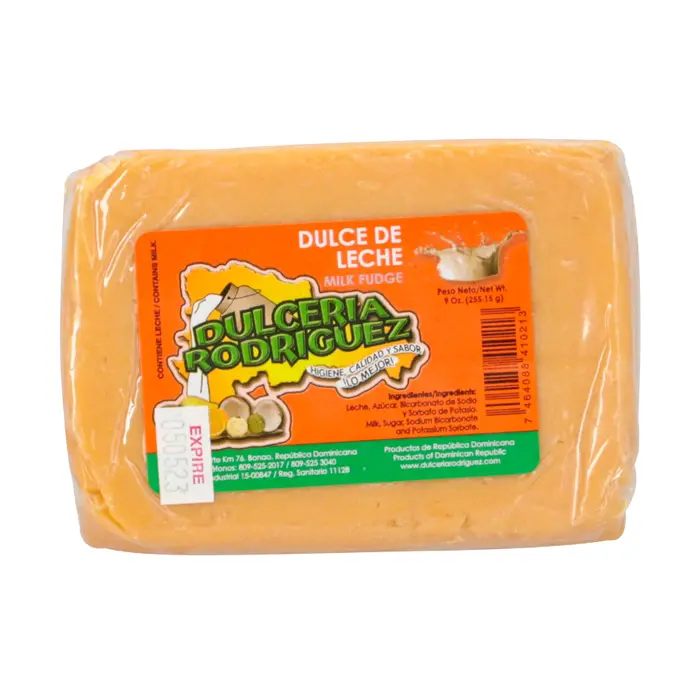
Milk-based sweets are popular across Latin America, and Mexican versions can range from soft caramels to firmer milk candies.
These candies are generally rich, creamy, and sweet without the sharp sourness or heat associated with chile and tamarind treats.
Some may include nuts, coconut, or other flavorings.
If spicy candy is not your preference, milk-based sweets are one of the best categories to explore because they provide a more familiar dessert profile.
Cajeta Sweets
Cajeta is a caramel-like confection traditionally made with goat’s milk.
Its flavor is rich and slightly different from conventional caramel, with a deeper milkiness that works well in candies, wafers, lollipops, and dessert products.
You may also find cajeta sold as a spread or sauce rather than only as candy.
If you enjoy caramel, dulce de leche, or other cooked-milk sweets, cajeta is worth seeking out.
Obleas and Wafer Sweets
Obleas are thin wafers that may be paired with caramel-like fillings such as cajeta or other sweet spreads.
They provide a lighter texture than dense candy bars or chewy sweets.
The contrast between the crisp wafer and sweet filling makes them especially enjoyable with coffee or as an afternoon treat.
Some versions are plain and simple, while others may include nuts, coconut, or additional fillings.
Coconut Candy
Coconut is another ingredient that appears often in traditional Mexican sweets.
You may see shredded coconut formed into bars, colorful pieces, soft candies, or baked treats.
The texture can range from chewy to firm depending on how the sweet is prepared.
Coconut candy is a good choice if you like tropical flavors but do not necessarily want something spicy or sour.
It can also be a useful addition to a mixed candy platter because it gives guests a break from fruit- and chile-heavy options.
Mexican Chocolate
Mexican chocolate has its own place in the sweets category.
It is often associated with drinking chocolate and may include cinnamon or other spices. Depending on the product, the texture can be grainier than standard American chocolate bars because of how the sugar and cocoa are processed.
Some varieties are intended primarily for melting into hot drinks rather than eating like a typical candy bar.
If you enjoy chocolate, check the label so you know whether the product is meant for snacking, baking, or preparing hot chocolate.
Chamoy-Flavored Candy
Chamoy is another flavor you may encounter in Mexican candy.
It combines salty, sour, sweet, and chile notes and is often paired with fruit flavors.
Candies coated with chamoy seasoning or chamoy-style sauces can have an intense flavor, especially if you are new to the combination.
This category is particularly popular among shoppers who already enjoy spicy gummies, tamarind candy, or chile-covered fruit.
If mild sweets are more your style, save chamoy for later in your candy exploration.
Mexican Gummies With Chile
Gummy candy gets a different personality when chile and sour seasonings are added.
You may see rings, worms, fruit shapes, or other gummies coated with chile powder or tangy seasoning.
The texture is familiar, but the flavor can move quickly from sweet to sour to spicy.
That makes chile gummies an easy bridge for people who already like American sour gummies and want to try something with more heat.
They also work well in a mixed candy bowl because they are easy to portion and share.
How to Build a Mexican Candy Tasting
Trying several sweets at once can be more fun than buying one package and hoping you like it.
A simple candy tasting lets you compare different flavor categories without needing a large quantity of each one.
Try including:
- One tamarind candy
- One chile-covered lollipop
- One mango or watermelon sweet
- One mazapán
- One milk or caramel-style candy
- One coconut sweet
- One chocolate product
- One spicy gummy or chamoy-flavored candy
Start with the mildest products first. Milk candies, mazapán, coconut sweets, and chocolate are usually easier on the palate than strongly seasoned tamarind or chile products.
Save the spiciest candies for the end so they do not overpower everything else.
What to Look for at a Latin Grocery Store
Mexican candy may not all be located in one place.
Some stores group imported sweets in a dedicated Latin candy section, while others spread them between the general candy aisle, checkout area, international foods, bakery, and beverage sections.
When you shop, look at the packaging carefully.
The country of origin can help if you specifically want candy made in Mexico rather than a general Latin American product. Ingredients and heat indicators are also useful if you are sensitive to chile.
If you are buying for children or someone with food allergies, always check the ingredient and allergen information rather than assuming a familiar-looking candy contains familiar ingredients.
Finding Mexican Candy in Tampa
Tampa shoppers looking for Mexican candy may have more success at a Latin grocery store than at a conventional supermarket with only a small international section.
A broader Latin market can give you access to multiple candy categories in one trip, along with the ingredients and foods commonly enjoyed with them.
Key Food Fresh Supermarket in Tampa, located at 2525 E Hillsborough Ave, Tampa, FL 33610, carries Latin and Hispanic grocery products alongside its regular supermarket selection.
Availability of individual candy brands and imported products can change, so if you are looking for one specific Mexican sweet, check with the store before making a special trip.
Start With the Flavor Profile You Already Enjoy
You do not need to begin with the hottest, sourest, or most unusual Mexican candy on the shelf.
If you like peanuts, try mazapán. If caramel is your favorite, look for cajeta or milk-based sweets. Fruit candy fans can start with mango or watermelon, while sour-candy lovers may enjoy tamarind. If you already like chile and lime on fruit, spicy lollipops, chamoy candy, and chile gummies may be the most interesting options.
The variety is what makes Mexican candy worth exploring. Instead of searching for one universally best treat, try a few different styles and pay attention to which combinations you actually enjoy.
The next time you visit a Latin grocery store in Tampa, spend a little extra time in the candy aisle. One unfamiliar package may end up becoming the treat you look for every time you shop.
Frequently Asked Questions About Mexican Candy
What is Mexican candy known for?
Mexican candy is known for combining flavors such as sweet, sour, salty, fruity, and spicy. Tamarind, chile, mango, milk, peanuts, coconut, and caramel-like flavors are especially common.
Is all Mexican candy spicy?
No. Many Mexican sweets are not spicy at all. Mazapán, milk candies, coconut sweets, chocolate, wafers, and cajeta products are examples of options that may have little or no chile.
What Mexican candy should I try first?
Mazapán, mango candy, milk candies, cajeta sweets, or lightly seasoned fruit candies are approachable starting points. If you already enjoy spicy or sour candy, try tamarind or chile-coated treats.
What does tamarind candy taste like?
Tamarind candy typically has a sweet-and-sour flavor. Many Mexican versions also include salt and chile, which can make the taste tangy, spicy, and savory at the same time.
What is mazapán made from?
Mexican mazapán is commonly made with peanuts and sugar. It has a sweet, nutty flavor and a delicate, crumbly texture.
What is cajeta?
Cajeta is a caramel-like Mexican sweet traditionally made with goat’s milk and sugar. It may appear in candies, wafers, sauces, or dessert products.
Why does Mexican candy use chile?
Chile creates contrast with sweet and fruity flavors. It is commonly paired with mango, watermelon, tamarind, lime, and other flavors to create a sweet-spicy combination.
What is chamoy candy?
Chamoy candy uses a flavor profile that combines sweet, sour, salty, and spicy notes. It is often paired with fruit-flavored candies, gummies, or tamarind.
Can children eat Mexican candy?
Many Mexican candies are suitable for children, but some can be very spicy, sour, hard, or chewy. Parents should check ingredients, heat levels, allergen information, and choking considerations based on the child’s age.
Where can I buy Mexican candy in Tampa?
Latin and Hispanic grocery stores are good places to look for a broader selection. Key Food Fresh Supermarket is located at 2525 E Hillsborough Ave, Tampa, FL 33610. Individual Mexican candy brands and products may vary by current inventory.