

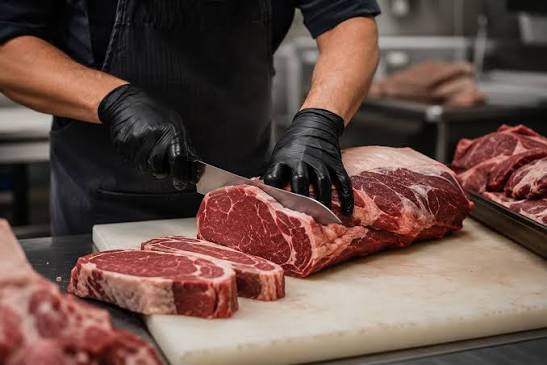
Most people who walk up to a butcher counter with health or cooking goals in mind already know they want something lean. What they often do not know is what to ask for by name, how the different lean cuts compare to each other, or why the cooking method matters as much as the cut itself when lean beef is involved.
Lean beef is not a compromise. The leanest cuts of beef include some of the most flavorful, most versatile, and most respected cuts in the case. They are also the cuts most commonly used in applications ranging from everyday weeknight cooking to beef jerky production to competition-level roasts. The issue is not that lean beef is inferior. The issue is that lean beef punishes the wrong cooking method more quickly than fatty cuts do, and knowing which cut does what is the difference between a dry, tough result and something genuinely worth eating.
This guide covers the leanest cuts of beef available at most butcher counters, what makes each one worth buying, how to cook them correctly, and how to have the conversation with the person behind the counter to get exactly what you came for.
What Makes a Cut of Beef Lean
The USDA defines a lean cut of beef as one that contains less than 10 grams of total fat, less than 4.5 grams of saturated fat, and less than 95 milligrams of cholesterol per 3.5-ounce cooked serving. An extra-lean cut meets stricter criteria: less than 5 grams of total fat, less than 2 grams of saturated fat, and the same cholesterol threshold.
Fat in beef comes from two sources: the visible fat surrounding and running between muscles, and the intramuscular fat called marbling distributed within the muscle fibers themselves. Lean cuts tend to come from muscles that the animal uses frequently, which builds muscle density and reduces fat accumulation. The shoulder, round, and loin are the primary regions where the leanest cuts of beef originate.
Understanding this geography helps at the butcher counter because it gives you a framework for evaluating cuts you may not recognize by name. A cut from the round is almost always going to be leaner than a cut from the rib. A cut from the loin is generally leaner than a cut from the chuck. That regional logic holds across most of the beef case.
The Leanest Cuts of Beef to Ask for by Name
Eye of Round
Eye of round is the leanest single cut of beef available at most butcher counters and one of the most consistently underestimated. It comes from the rear leg of the animal, a muscle used heavily during the animal’s life, which produces a very lean, very dense, very tight-grained piece of beef with almost no visible fat and almost no marbling.
That density is both its strength and its challenge. Eye of round has excellent beef flavor and holds together beautifully when sliced thin, which is why it is one of the premier cuts for deli roast beef and one of the best cuts of beef for beef jerky. Sliced thin against the grain after low-and-slow cooking or cured and dried into jerky, eye of round produces results that are flavorful, satisfying, and genuinely lean.
Cooked beyond medium-rare as a roast or steak, eye of round becomes tough quickly. The lack of fat means there is nothing to keep the muscle fibers moist and tender under high heat. Respect that limitation and the cut rewards you.
Fat content: Among the lowest of any beef cut. Qualifies as extra-lean by USDA standards.
Best uses: Deli-style roast beef, beef jerky, thin-sliced stir-fry, slow roasted whole and sliced cold.
What to ask for: Ask for eye of round roast for whole preparations or eye of round steaks sliced thin for jerky or stir-fry. Ask the butcher to slice it against the grain if you want it pre-sliced for jerky preparation.
Top Round
Top round is slightly less lean than the eye of round but still firmly in the lean cuts of beef category. It comes from the inside of the rear leg and has a bit more surface area and a slightly coarser grain than the eye of round. It is the cut most commonly used in traditional London broil preparations, which is technically a cooking method rather than a cut name, but one that top round is consistently associated with.
Top round has enough structure to take a marinade well and enough integrity to slice cleanly after cooking. It is one of the most economical lean cuts available and one of the most versatile in terms of preparation options.
Fat content: Very low. Qualifies as lean by USDA standards.
Best uses: London broil, marinated and grilled, slow roasted, deli roast beef, beef jerky.
What to ask for: Ask for top round roast or London broil. Specify thickness if you want steaks cut from it.
Bottom Round
Bottom round comes from the outer portion of the rear leg and is slightly tougher and more fibrous than the top round, but equally lean. It is a workhorse cut that performs best in low-and-slow cooking environments where the connective tissue has time to break down and the muscle fibers have time to relax.
Bottom round is one of the best cuts for pot roast when budget and leanness are both priorities. It is also used regularly for beef jerky because its tight grain holds together well during the drying process and produces strips with good chew and structure.
Fat content: Very low. Lean by USDA standards.
Best uses: Pot roast, slow cooker preparations, beef jerky, braised dishes.
What to ask for: Ask for a bottom round roast. If you want it for jerky, ask for it sliced thin, between an eighth and a quarter inch, against the grain.
Sirloin Tip
Sirloin tip, also called round tip, is cut from the front portion of the round where it meets the sirloin. It sits in an interesting middle position in the beef case: leaner than most sirloin cuts but slightly more tender than the bottom round. It has enough integrity to cook as a roast, enough leanness to qualify as a lean cut, and enough flavor to work without heavy seasoning.
Sirloin tip is often the answer when someone wants the leanest cut of beef that still works well in a broader range of cooking applications. It is not as unforgiving as eye of round and not as tough as bottom round in quick-cook applications.
Fat content: Low. Lean by USDA standards.
Best uses: Roasting, slow cooking, stir-fry when sliced thin, kebabs.
What to ask for: Ask for sirloin tip roast or sirloin tip steaks.
Top Sirloin
Top sirloin is one of the most popular lean cuts of beef for a reason. It sits at the intersection of leanness, flavor, and tenderness in a way that most other truly lean cuts do not. It has enough marbling to be enjoyable cooked to medium and enough beef flavor to stand on its own with simple seasoning. It is the leanest cut in the sirloin family that still behaves well under high-heat cooking.
Top sirloin is also one of the most accessible lean options at a butcher counter because it is widely available, familiar to most shoppers, and priced reasonably compared to premium steak cuts. For everyday lean beef eating, it is often the most practical choice.
Fat content: Moderate but qualifies as lean by USDA standards.
Best uses: Grilling, pan-searing, broiling, slicing for stir-fry, kebabs.
What to ask for: Ask for top sirloin steak. Specify thickness, typically three-quarters to one inch for grilling.
Flank Steak
Flank steak comes from the abdominal muscles of the animal and is one of the most flavorful lean cuts available. It has a pronounced grain that runs visibly through the length of the cut, which is important information for both cooking and slicing. Cutting against that grain after cooking is not optional with flank steak. It is the difference between a tender result and a chewing exercise.
Flank steak takes a marinade exceptionally well and develops a good crust under high heat without drying out as quickly as the round cuts do, partly because the grain structure allows it to release some of its own moisture during cooking in a way that keeps the result juicier. It is one of the go-to lean cuts in Latin and Asian cooking traditions for exactly this reason.
Fat content: Low. Lean by USDA standards.
Best uses: Marinated and grilled, carne asada, stir-fry, fajitas, sliced for salads.
What to ask for: Ask for flank steak. Ask the butcher to score it lightly on the surface if you plan to marinate it, which helps the marinade penetrate faster.
Skirt Steak
Skirt steak is closely related to flank steak in terms of lean profile and cooking behavior, but it comes from the diaphragm muscle and has an even more pronounced grain and a richer, beefier flavor than flank. There are two types: inside skirt and outside skirt. Outside skirt is more tender and more desirable, though inside skirt is perfectly good in most applications.
Skirt steak is the traditional cut for fajitas and is widely used in Latin American cooking, particularly for carne asada preparations. Like flank, it must be sliced against the grain, cooked quickly over high heat, and not taken past medium or it loses the juiciness that makes it work.
Fat content: Low to moderate. Lean by USDA standards.
Best uses: Fajitas, carne asada, grilled and sliced thin, quick stir-fry.
What to ask for: Ask specifically for outside skirt steak if available. Inside skirt is an acceptable alternative.
Tenderloin
The tenderloin is the most tender cut of beef in the animal, which is where its name comes from. It is a long, cylindrical muscle that runs along the spine and does almost no work during the animal’s life, which is precisely why it is so tender. It has very little fat and very little connective tissue, which makes it both the most tender cut of beef and one of the leaner ones despite its premium price.
Filet mignon is cut from the tenderloin, as is chateaubriand. The tenderness of this cut is genuine and unmatched anywhere else in the beef case. It is also the most expensive cut at most butcher counters, which reflects the small amount of tenderloin each animal yields rather than any artificial pricing.
For shoppers asking what is the most tender cut of beef, the tenderloin is the unambiguous answer. For shoppers asking whether it is also lean, the answer is yes, though its fat content is slightly higher than the round cuts.
Fat content: Low to moderate. Generally qualifies as lean by USDA standards depending on preparation.
Best uses: Whole roasted as a tenderloin roast, sliced as filet mignon steaks, served with simple sauces that do not mask the natural tenderness.
What to ask for: Ask for beef tenderloin roast for a whole preparation or filet mignon steaks cut to your specified thickness, typically one and a half to two inches for a proper sear.
95 Percent Lean Ground Beef
Ground beef is available in multiple lean-to-fat ratios, and 95 percent lean ground beef is the leanest option widely available at grocery stores and butcher counters. It is almost entirely muscle with minimal added fat, which makes it dry in cooking applications where fat is responsible for moisture, such as plain burgers cooked to well done.
In applications where moisture comes from other sources, including sauces, broths, aromatics, or cooking methods that retain liquid, 95 percent lean ground beef performs well and delivers a genuinely high-protein, low-fat result. It is one of the most practical lean cuts of beef for everyday cooking because it is versatile, widely available, affordable, and requires no special butcher knowledge to purchase.
Fat content: Five percent fat. Extra-lean by USDA standards.
Best uses: Meat sauces, tacos, stuffed peppers, meatballs in a moist cooking environment, chili, turkey-style applications where fat is provided by other ingredients.
What to ask for: Ask for 95 percent lean ground beef or extra-lean ground beef. If the pre-packaged options are only 90 percent lean, ask if the butcher can grind a leaner option from a round or sirloin cut.
The Best Cut of Beef for Beef Jerky
Beef jerky deserves its own section because it is one of the most specific and unforgiving applications for lean beef. Fat is the enemy of good jerky. It does not dry out properly during the dehydration process, it goes rancid faster than the dried lean muscle does, and it creates an unpleasant greasy texture in the finished product. Good jerky requires the leanest possible starting material.
The best cut of beef for beef jerky is eye of round, with top round as a close second. Both have the tight grain, minimal fat content, and structural integrity to produce jerky strips that dry evenly, hold together during slicing, and deliver the chewy, satisfying texture that defines good jerky.
For eye of round jerky: Ask the butcher to slice the roast against the grain into strips between an eighth and a quarter inch thick. Thinner produces crispier jerky. Thicker produces chewier jerky. Most people prefer somewhere in the middle.
For top round jerky: The same slicing approach applies. Top round has a slightly larger surface area per slice and a bit more variation in texture across the cut, which some jerky makers prefer for visual variety in the finished product.
Other lean cuts that work for jerky: Bottom round, sirloin tip, and flank steak all produce good jerky. Flank steak jerky, sliced with the grain rather than against it, produces a particularly chewy strip with a good beef flavor that some jerky enthusiasts prefer.
What to avoid for jerky: Any cut with significant marbling, including ribeye, chuck, and brisket. The intramuscular fat that makes these cuts excellent for other applications makes them poor choices for jerky because it never fully dries out.
How to Cook Lean Beef Correctly
Lean cuts of beef are less forgiving than fatty ones because fat provides moisture insurance during cooking. Without that buffer, the difference between properly cooked lean beef and overcooked lean beef is a matter of degrees and minutes.
Low and slow for tougher lean cuts: Eye of round, bottom round, and sirloin tip all benefit from low-temperature roasting, braising, or slow cooker preparations where time breaks down connective tissue and the interior temperature rises gradually without the exterior drying out. A roast cooked at 250 to 275 degrees Fahrenheit to an internal temperature of 130 to 135 degrees Fahrenheit and then rested and sliced thin is a completely different result from the same roast cooked at 375 degrees to the same temperature.
High heat and quick cooking for tender lean cuts: Flank steak, skirt steak, top sirloin, and tenderloin all perform best over high heat with a short cooking time. Get a good sear on the outside, pull the meat before the interior passes medium, rest it, and slice against the grain. That sequence produces lean beef that is juicy, flavorful, and tender rather than dry and chewy.
Marinating: Most lean cuts benefit from marinating, particularly the tougher ones. An acid-based marinade with some fat and seasoning penetrates the tight muscle fibers, adds flavor, and provides a small amount of moisture protection during cooking. Minimum marinating time is two hours for thin cuts and four to eight hours for thicker roasts. Do not marinate longer than twenty-four hours as the acid begins to break down the muscle texture in ways that make the surface mealy.
Slicing against the grain: This is non-negotiable for any cut with a visible grain, particularly flank steak, skirt steak, top round, and bottom round. Slicing against the grain shortens the muscle fibers in each bite, which makes lean beef dramatically more tender regardless of how it was cooked. Slicing with the grain on these cuts produces long, chewy muscle fibers that resist chewing and make a good piece of beef taste poor.
Resting: Lean beef releases moisture faster than fatty beef when cut hot. Resting a lean roast or steak for at least five to ten minutes after cooking allows the internal juices to redistribute and remain in the meat rather than running out onto the cutting board.
How to Have the Conversation at the Butcher Counter
Most butcher counter staff are knowledgeable and responsive to specific requests. The key is knowing what you want and asking for it clearly.
Useful things to specify:
- The cut by name rather than by general description
- Whether you want it as a roast or sliced into steaks
- The thickness you need, in inches or fractions of an inch
- Whether you want it trimmed of visible surface fat
- Whether you want it sliced thin for stir-fry, jerky, or deli-style use
Useful questions to ask:
- What came in fresh today or this week in the lean beef category?
- Which do you recommend between top round and eye of round for this application?
- Can you slice this thin for jerky?
- Is this already trimmed or does it have significant surface fat?
A butcher who hears a specific, informed question gives a better answer than one who hears a vague one. Saying you want a lean cut for beef jerky sliced at a quarter inch against the grain from either eye of round or top round will get you exactly what you need. Saying you want something healthy and lean for jerky leaves the outcome more to chance.
Key Food Tampa Has the Butcher Counter Worth Talking To
If you are looking for lean cuts of beef from a counter where the staff can answer real questions, Key Food Tampa carries the selection and the expertise to match.
Whether you are looking for eye of round sliced thin for homemade jerky, top sirloin for a weeknight dinner, flank steak for a Latin-inspired marinade, or beef tenderloin for an occasion that calls for the most tender cut of beef in the case, the meat counter at Key Food Tampa is stocked and staffed to help you shop with intention.
Come in, bring your list, and ask the counter directly. The leanest cuts of beef are in the case. The right preparation starts with getting the right cut.
Frequently Asked Questions
What is the leanest cut of beef available at most butcher counters?
Eye of round is consistently the leanest cut of beef available at most grocery store and butcher counters. It qualifies as extra-lean by USDA standards and has minimal visible fat and very little marbling throughout the muscle.
What are the best lean cuts of beef for everyday cooking?
Top sirloin, flank steak, and 95 percent lean ground beef are the most practical lean cuts for everyday cooking because they are widely available, reasonably priced, and versatile across a range of cooking methods and recipes.
What is the most tender cut of beef?
The beef tenderloin, from which filet mignon steaks are cut, is the most tender cut of beef. It comes from a muscle that does minimal work during the animal’s life, which results in extremely soft, fine-grained flesh with very little connective tissue.
What is the best cut of beef for beef jerky?
Eye of round is the best cut of beef for beef jerky because of its minimal fat content, tight grain, and structural integrity during slicing and drying. Top round is the closest alternative and works nearly as well.
Can lean cuts of beef still be flavorful?
Yes. Flank steak, skirt steak, top round, and eye of round all have strong beef flavor. The key is cooking them correctly. Lean cuts cooked with the right method at the right temperature and sliced properly deliver flavor that rivals more expensive, fattier cuts.
How do I keep lean beef from drying out during cooking?
Match the cut to the right cooking method. Tough lean cuts like eye of round and bottom round need low-and-slow heat. Tender lean cuts like flank and top sirloin need high heat and a short cook time. Always rest lean beef before slicing and always slice against the grain on cuts with a visible muscle grain.
Is lean ground beef healthy?
Lean and extra-lean ground beef are high in protein and lower in saturated fat than higher-fat ground beef blends. General dietary guidance supports lean protein as part of a balanced diet. For specific health concerns, consult a healthcare provider or registered dietitian.