

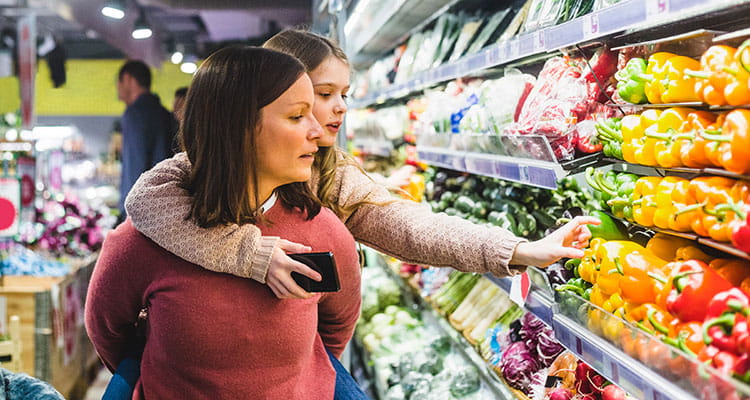
Generic grocery advice works fine if you are shopping without restrictions. If you are managing a specialty diet, that same advice tends to fall apart quickly. The articles written for general audiences assume standard pantry staples, standard cooking methods, and a straightforward relationship with ingredients. Specialty diet shoppers do not have that luxury.
What makes shopping at Tampa, FL grocery stores more complex for specialty diet shoppers is not just the diet itself. It is the intersection of that diet with the food culture of this city. Tampa’s grocery landscape reflects a deeply multicultural community with strong Cuban, Puerto Rican, Caribbean, Latin American, and diverse international influences. The staples that appear on most shopping lists here, the sofrito bases, the canned beans, the prepared seasonings, the root vegetables, the marinades, create label-reading situations that mainstream specialty diet guides almost never address.
This guide walks through four of the most common specialty diets with a Tampa-specific lens: gluten free, diabetic friendly, keto, and plant based. For each one, you will find the department-by-department approach, the label traps to watch for, and a sample weekly meal plan built from items found at a typical Tampa supermarket.
Why Generic Grocery Advice Fails Specialty Diet Shoppers
Most specialty diet content is written for a general American grocery environment. It tells you to avoid bread and pasta for gluten free shopping, to skip sugar for diabetic shopping, to cut carbs for keto, and to buy more vegetables for plant based eating. That level of guidance is a starting point, not a strategy.
The gaps appear as soon as you step into the actual store.
A gluten free shopper who avoids obvious bread products but does not know that many sofrito blends, soy sauces, and malt-vinegar-based hot sauces contain gluten will still be consuming gluten regularly. A diabetic shopper who focuses only on the sugar content on the nutrition label and ignores glycemic load, fiber content, and portion size will still experience blood sugar spikes from foods that technically look acceptable. A keto shopper who knows to avoid rice but does not realize that many pre-marinated meats and canned tomato products contain added sugars will stall. A plant based shopper unfamiliar with Latin staples will miss half the naturally plant based options available in a Tampa store and default to expensive processed substitutes instead.
Good specialty diet grocery shopping requires category-level knowledge, label-reading skill, and familiarity with the specific products on the shelves where you actually shop. Here is how to build that at Tampa, FL grocery stores.
Gluten Free Shopping at Tampa Grocery Stores
Why Gluten Free Is Harder Than It Looks
Celiac disease and non-celiac gluten sensitivity require eliminating not just obvious gluten sources like bread, pasta, and flour, but also hidden gluten in processed foods, sauces, seasonings, and prepared items that appear unrelated to wheat on the surface.
In a Tampa grocery environment, the hidden gluten problem is especially relevant because many culturally familiar staples contain gluten in unexpected forms. Shoppers who know to avoid flour tortillas may not know to check their sazon packets, their Worcestershire sauce, or their canned chipotle peppers in adobo.
Department-by-Department Gluten Free Guide
Produce: Entirely safe. Fresh fruits and vegetables are naturally gluten free without exception. No label reading needed in this department.
Meat and Seafood: Fresh, unprocessed meat and seafood are gluten free. The problem begins with marinated meats, pre-seasoned proteins, and anything labeled as prepared or seasoned. Soy sauce is a common marinade ingredient and most standard soy sauce contains wheat. Many pre-marinated chicken and pork products found in Tampa stores use soy-based or malt-based marinades that contain gluten. Buy plain cuts and season at home using certified gluten free products.
Dairy: Plain dairy products are gluten free. Flavored yogurts with cookie or granola mix-ins, some flavored creamers, and processed cheese products with additives may contain gluten. Read the label on anything flavored or processed.
Canned Goods and Latin Staples: This is the highest-risk area for gluten free shoppers in a Tampa grocery store. Items to check carefully include:
- Sofrito and recaito blends, which sometimes include thickeners containing wheat
- Canned chipotle peppers in adobo sauce, where adobo may contain vinegar from gluten-containing grains
- Worcestershire sauce, which traditionally contains barley malt vinegar
- Soy sauce used in marinades, rice dishes, and picadillo recipes
- Some canned soups and stews used as cooking bases
- Mole sauces and prepared enchilada sauces, which sometimes use wheat flour as a thickener
Gluten free alternatives exist for nearly all of these. Tamari is a widely available gluten free substitute for soy sauce. Coconut aminos is another. Certified gluten free sofrito brands exist. Making sofrito from scratch at home using fresh culantro, aji dulce, onion, garlic, and tomato takes fifteen minutes and eliminates the risk entirely.
Bread and Tortillas: This department requires the most vigilance for obvious reasons. Corn tortillas are naturally gluten free, but they are often produced in facilities that also process wheat. Look for certified gluten free corn tortillas rather than assuming standard corn tortillas are safe for people with celiac disease. Gluten free bread products made with rice flour, tapioca, or almond flour are widely available. Read labels for shared facility warnings if your sensitivity is severe.
Sauces and Condiments: Hot sauce, salsa, vinaigrettes, and marinades are common hidden gluten sources. Malt vinegar contains gluten. Some hot sauces list natural flavors that may derive from gluten-containing sources. When in doubt, look for a certified gluten free label rather than relying on an ingredients scan alone.
Labels to Read for Gluten Free Shopping
Look for the certified gluten free seal from a recognized certification body rather than just the words gluten free, which any brand can use without meeting a defined standard. Scan the ingredients list for wheat, barley, rye, malt, brewer’s yeast, and oats unless the oats are specifically labeled gluten free. Check for shared facility or processed equipment with wheat statements in the allergen section below the ingredients list.
Sample Gluten Free Weekly Meal Plan Using Tampa Grocery Store Items
Monday: Arroz con pollo made with plain chicken thighs, certified gluten free sazon, white rice, and sofrito made from scratch. Side of black beans cooked from scratch or from a verified gluten free canned brand.
Tuesday: Grilled tilapia with tostones made from green plantains fried in avocado oil. Side salad with olive oil and lime dressing.
Wednesday: Ground beef picadillo made with certified gluten free Worcestershire and served over white rice. Sliced avocado on the side.
Thursday: Shrimp sauteed in olive oil, garlic, and fresh cilantro. Served with roasted sweet potato and steamed broccoli.
Friday: Ropa vieja using certified gluten free beef broth, fresh tomatoes, peppers, onion, and garlic. Served with white rice and maduros.
Saturday: Scrambled eggs with sauteed peppers, onion, and black beans. Corn tortillas verified gluten free, sliced avocado.
Sunday: Slow-cooked pork shoulder with mojo made from fresh garlic and orange juice. White rice, black beans, and a green salad.
Diabetic Friendly Shopping at Tampa Grocery Stores
Why Sugar Content Alone Is Not Enough
The most common mistake diabetic shoppers make is focusing exclusively on sugar content on the nutrition label while ignoring glycemic load, total carbohydrate content, fiber, and portion size. A food can have zero added sugar and still spike blood glucose significantly if it is high in refined starch and low in fiber. A food can list a moderate sugar content but have a low glycemic impact because of its fiber content and the way it is metabolized.
Diabetic friendly grocery shopping requires a more complete label-reading framework than most guides provide.
Department-by-Department Diabetic Friendly Guide
Produce: The most reliably diabetic friendly department in the store, with important distinctions. Non-starchy vegetables, including leafy greens, peppers, tomatoes, cucumbers, zucchini, broccoli, cauliflower, and green beans, are low glycemic and high in fiber. Starchy vegetables including corn, potatoes, and peas raise blood glucose more significantly and require portion management. Tropical fruits common in Tampa stores, including mango, papaya, plantain, and pineapple, are higher in natural sugars than berries and citrus. They are not off-limits but are best consumed in smaller portions alongside protein or fat, which slows glucose absorption.
Proteins: Lean proteins have minimal direct impact on blood glucose and are a cornerstone of diabetic friendly eating. Plain chicken, turkey, fish, eggs, and lean cuts of beef and pork are good choices. Avoid pre-seasoned or marinated proteins that contain added sugar, which appears frequently in store-prepared meats, teriyaki marinades, and some canned protein products.
Beans and Legumes: This is one of the most important categories for diabetic shoppers in a Tampa grocery store. Beans are high in fiber and protein, which significantly slows their glycemic impact compared to refined starch. Black beans, red beans, chickpeas, and lentils are all excellent choices. The fiber content in a half-cup of black beans meaningfully offsets the carbohydrate load. Canned beans are convenient and fine as long as you check for added sugars in the liquid, which some flavored or seasoned varieties contain. Rinsing canned beans before use also reduces sodium.
Grains and Starches: This department requires the most careful navigation. White rice, white bread, and refined flour products all have high glycemic impact. Brown rice, oats, quinoa, and whole grain bread products have more fiber and lower glycemic impact. For Tampa shoppers who cook rice regularly, portion size and pairing matter enormously. A smaller portion of white rice served alongside beans and protein has a different glycemic effect than a large portion of white rice served alone. Plantains are a starchy carbohydrate and have a higher glycemic load than non-starchy vegetables. Green plantains have a lower glycemic impact than fully ripe black plantains because the sugar content increases as the fruit ripens.
Dairy: Full-fat plain dairy products including Greek yogurt, cheese, and whole milk tend to have a lower glycemic impact than low-fat versions, which often replace fat with added sugar to maintain palatability. Plain Greek yogurt is a strong choice for diabetic shoppers because of its high protein content and relatively low carbohydrate count. Flavored yogurts are frequently high in added sugar and are best avoided or saved for occasional use.
Canned Goods and Sauces: Read labels carefully for added sugar in tomato sauces, salsa, canned beans, and Latin cooking bases. Many jarred sofrito products, adobo sauces, and prepared marinades contain significant added sugar. Total carbohydrate content is more useful than the sugar line alone for evaluating glycemic impact.
Labels to Read for Diabetic Friendly Shopping
Look at total carbohydrates, then dietary fiber, then added sugars. Subtract fiber from total carbohydrates to get a rough estimate of net digestible carbohydrates. A food with 20 grams of total carbohydrate and 8 grams of fiber has a meaningfully lower blood glucose impact than a food with 20 grams of total carbohydrate and 1 gram of fiber. Look for added sugars specifically in savory products where you would not expect them, including salad dressings, tomato sauces, breakfast cereals, and flavored beverages.
Sample Diabetic Friendly Weekly Meal Plan Using Tampa Grocery Store Items
Monday: Grilled chicken thighs with a large serving of non-starchy roasted vegetables including zucchini, peppers, and onion. A small portion of brown rice or black beans on the side.
Tuesday: Baked tilapia with a salad of mixed greens, cherry tomatoes, cucumber, and olive oil and lime dressing. Half a cup of black beans as a side.
Wednesday: Egg scramble with spinach, peppers, onion, and a small amount of cheese. Two small corn tortillas and sliced avocado.
Thursday: Ground turkey sauteed with garlic, tomatoes, and fresh herbs over a small portion of quinoa. Side of steamed broccoli.
Friday: Shrimp stir-fried with mixed vegetables in olive oil and garlic. Served with a small portion of brown rice.
Saturday: Lentil soup made with carrots, celery, tomatoes, cumin, and garlic. Whole grain bread or a small corn tortilla on the side.
Sunday: Slow-cooked pork with roasted cauliflower and a large green salad. Small portion of beans as the primary starch.
Keto Shopping at Tampa Grocery Stores
What Keto Actually Requires and Where It Gets Complicated
Ketogenic eating requires keeping carbohydrate intake very low, typically under 20 to 50 grams of net carbohydrates per day, while eating adequate protein and high fat. The challenge for Tampa shoppers is that many of the culturally familiar staples in this grocery environment are carbohydrate-heavy, and many processed products that appear low-carb contain hidden sugars in their sauces and seasonings.
The good news is that many Latin and Caribbean cooking traditions rely heavily on proteins, healthy fats, and vegetables that fit keto well. The discipline is knowing which staples cross over and which do not.
Latin Staples That Fit Keto
- Yuca: Does not fit keto. High in starch.
- Plantains: Do not fit keto in any stage. Green plantains are lower in sugar but still high in starch.
- Malanga: Does not fit keto. High in starch.
- Rice: Does not fit keto regardless of variety.
- Beans: Do not fit keto in significant quantities. A small portion of black beans can fit within a very strict daily carb budget for some people, but most keto frameworks eliminate beans.
- Avocado: Fits keto exceptionally well. High in healthy fat and fiber with minimal net carbohydrates.
- Sofrito made fresh: Fits keto. Fresh sofrito from peppers, onion, garlic, cilantro, and tomato has minimal carbohydrate content per serving.
- Mojo marinade made from scratch: Fits keto. Garlic, olive oil, and citrus juice in marinade quantities have negligible net carbohydrate impact.
- Chicharron: Fits keto. Fried pork skin is zero-carbohydrate and high in fat and protein.
- Carne asada and pernil: Fit keto when made from plain cuts seasoned with keto-friendly marinades. Pre-marinated or store-prepared versions often contain added sugars.
- Aji dulce and fresh peppers: Fit keto. Low in net carbohydrates and usable in sofrito and cooking.
- Culantro and cilantro: Fit keto. Zero meaningful carbohydrate impact.
- Coconut milk: Fits keto. Full-fat canned coconut milk is high in fat and low in carbohydrates.
Department-by-Department Keto Guide
Produce: Non-starchy vegetables are the foundation of keto produce shopping. Leafy greens, peppers, cucumber, zucchini, broccoli, cauliflower, green beans, and avocado all fit well. Starchy vegetables including corn, potatoes, beets, and all root vegetables do not fit. Tropical fruit does not fit keto in typical serving sizes. Small amounts of lime or lemon juice used for seasoning are fine.
Meat and Seafood: The most keto-friendly department in the store. Plain cuts of any protein are zero-carbohydrate. The problem is pre-marinated and store-seasoned options, which frequently contain sugar. Teriyaki glaze, sweet and spicy marinades, honey-based rubs, and many commercial adobo preparations contain added sugar. Buy plain cuts and season at home using verified keto-friendly products.
Dairy: Full-fat dairy fits keto. Heavy cream, butter, hard cheeses, cream cheese, full-fat sour cream, and full-fat Greek yogurt in small portions all work. Low-fat dairy products often substitute sugar for fat and are not suitable for keto. Avoid flavored dairy products with added sugars.
Oils and Fats: Avocado oil, olive oil, coconut oil, lard, and butter are all keto staples. Many Tampa stores carry a good selection of these. Avoid vegetable oil blends that include partially hydrogenated fats, and avoid cooking sprays with added flour.
Canned Goods: Read labels carefully. Many canned tomato products including crushed tomatoes, tomato sauce, and specialty Latin sauces contain added sugar. Look for products with no added sugar. Canned fish including tuna, sardines, and salmon are excellent keto proteins. Full-fat canned coconut milk works for cooking. Avoid canned fruit, sweetened beans, and any product with significant added sugar.
Packaged and Specialty Items: The gluten free and health food sections of many Tampa grocery stores carry keto-labeled products including low-carb tortillas, almond flour products, and sugar-free sauces. Read labels rather than relying on keto labeling, since standards for keto claims on packaging are not regulated.
Labels to Read for Keto Shopping
Focus on net carbohydrates, which is total carbohydrates minus dietary fiber. For keto, sugar alcohols are sometimes also subtracted, though this depends on individual tolerance. Look for added sugar in all processed products, especially savory ones. Check serving sizes carefully, since many products list a small serving to make the carbohydrate numbers appear lower.
Sample Keto Weekly Meal Plan Using Tampa Grocery Store Items
Monday: Pan-seared salmon with roasted broccoli and cauliflower in butter and garlic. Sliced avocado with lime and salt.
Tuesday: Carne asada made from plain skirt steak marinated in homemade mojo. Served with sauteed peppers and onions and a large green salad with olive oil dressing.
Wednesday: Pernil-style slow-roasted pork shoulder seasoned with garlic, oregano, cumin, and olive oil. Roasted zucchini and a side of full-fat sour cream.
Thursday: Shrimp sauteed in butter, garlic, and sofrito made from scratch. Served over sauteed spinach and topped with crumbled chicharron for crunch.
Friday: Ground beef cooked with garlic, cumin, tomatoes, and olives as a picadillo-style preparation without added sugar. Served over cauliflower rice with avocado.
Saturday: Scrambled eggs with cheese, sauteed peppers, and full-fat sour cream. A few slices of avocado and a small portion of chicharron.
Sunday: Full-fat coconut milk chicken stew with peppers, onion, garlic, and leafy greens. No root vegetables or rice. Served with sliced avocado.
Plant Based Shopping at Tampa Grocery Stores
Plant Based Eating Through a Latin and Caribbean Lens
Plant based shopping advice written for a general audience tends to default to a narrow set of ingredients: tofu, tempeh, plant based meat products, and salads. That framework misses the richness of what is already available in a Tampa grocery store for plant based cooking rooted in Latin and Caribbean culinary traditions.
Many of the most foundational dishes in Cuban, Puerto Rican, and Caribbean cooking are naturally plant based or very easily made plant based with minor adjustments. The challenge is not finding enough variety. It is knowing which products to build around and which plant based claims on packaging are worth the price.
Naturally Plant Based Latin and Caribbean Staples in Tampa Grocery Stores
- Black beans and red beans: The most complete plant based protein source available in the Latin grocery section. Combined with rice, they form a complete amino acid profile. Canned or dried, these are the foundation of plant based eating for Tampa shoppers.
- Chickpeas: Versatile, protein-rich, and available in every Tampa grocery store. Used in soups, stews, and as a roasted snack.
- Lentils: Quick to cook, high in protein and iron, and adaptable to Latin seasonings including cumin, sofrito, and garlic.
- Plantains at every stage: Naturally plant based and one of the most versatile ingredients in a Tampa kitchen. Tostones, maduros, and mashed plantains are all plant based when cooked in vegetable oil rather than lard.
- Yuca, malanga, and tropical root vegetables: All naturally plant based and foundational in many traditional dishes.
- Avocado: One of the most nutrient-dense plant based foods available. High in healthy fats, fiber, and fat-soluble vitamins.
- Sofrito and recaito: Naturally plant based when made without animal-derived ingredients. Always verify packaged versions.
- Coconut milk: Used extensively in Caribbean cooking and a key fat source for plant based eaters avoiding other dairy.
- Tofu: Available at most Tampa grocery stores and absorbs Latin seasonings exceptionally well. Pressed tofu marinated in mojo and pan-seared works as a plant based protein in many traditional preparations.
Department-by-Department Plant Based Guide
Produce: The entire produce section is available to plant based shoppers. Prioritize variety and think about both nutrient density and culinary function. Dark leafy greens for iron and calcium. Avocado for healthy fat. Tropical fruits for vitamins and variety. Peppers, onion, garlic, tomatoes, and culantro for the building blocks of sofrito-based cooking.
Proteins: Skip the meat counter and focus on beans, lentils, chickpeas, and tofu in this department. Edamame available in the frozen section is another complete protein source. Canned beans are convenient and equally nutritious to dried beans when rinsed. Dried beans cooked from scratch are more economical for weekly plant based grocery in Tampa, FL shopping.
Dairy Alternatives: Most Tampa grocery stores now carry oat milk, almond milk, soy milk, and coconut milk in the dairy alternative section. For cooking, full-fat canned coconut milk from the Latin grocery aisle is the most useful and economical option. For coffee and cereal, oat milk and soy milk both work well. Dairy-free cheese has improved in quality and is available in most stores, though it remains more expensive than dairy cheese.
Grains: Rice, quinoa, oats, whole grain bread, and corn tortillas are all plant based staples. Brown rice and quinoa offer more fiber and protein than white rice. Corn tortillas are preferable to flour tortillas for plant based shoppers concerned about nutrient density.
Canned Goods and Latin Aisle: This is where plant based shoppers in Tampa stores find the most value. The Latin canned goods section carries an extensive range of beans, lentils, tomato products, coconut milk, and prepared bases that are naturally plant based. Check labels on prepared sofrito, adobo, and sazon for lard or other animal-derived fats, which appear in some traditional preparations.
Eggs and Dairy: For plant based shoppers who include eggs, eggs are one of the most economical and complete protein sources in the store. For fully vegan shopping, skip this department and rely on beans, tofu, and fortified plant milks for protein and calcium.
Labels to Read for Plant Based Shopping
Look for hidden animal-derived ingredients in otherwise plant-looking products. Lard appears in some flour tortillas, prepared beans, and traditional cooking bases. Chicken broth or beef broth is sometimes added to canned soups and seasoning bases that appear vegetarian. Gelatin, which is animal-derived, appears in some flavored yogurts and desserts. Worcestershire sauce traditionally contains anchovies. Read the ingredients list rather than relying on packaging descriptions.
Sample Plant Based Weekly Meal Plan Using Tampa Grocery Store Items
Monday: Black bean soup made with sofrito, cumin, garlic, and vegetable broth. Served with white rice and maduros cooked in vegetable oil. Sliced avocado.
Tuesday: Tofu marinated in mojo sauce and pan-seared. Served with tostones and a large salad dressed with olive oil and lime.
Wednesday: Red beans and rice cooked with sofrito, tomatoes, and sazon. Roasted plantains on the side and a green salad.
Thursday: Lentil stew with carrots, tomatoes, cumin, and fresh cilantro. Served with a small portion of brown rice and warm corn tortillas.
Friday: Chickpea stew cooked in a sofrito and coconut milk base with spinach and tomatoes. Served with white rice and sliced avocado.
Saturday: Avocado toast on whole grain bread with sliced tomatoes and a squeeze of lime. Large fruit salad with mango, papaya, and pineapple. Handful of roasted chickpeas.
Sunday: Stuffed peppers filled with a mixture of black beans, brown rice, corn, tomatoes, and spices. Topped with dairy-free cheese if desired. Side salad with olive oil dressing.
Cross-Contamination Considerations for Shoppers With Severe Allergies
Specialty diet shopping for health preferences is different from specialty diet shopping for medical necessity. For shoppers managing celiac disease, tree nut allergies, shellfish allergies, or other severe food allergies, cross-contamination in the grocery store itself is a meaningful risk that label reading alone does not fully address.
Bulk bins and deli counters: Both are high cross-contamination risk areas. Bulk bins share scoops and contain items in close proximity to allergens. Deli counters slice multiple products on shared equipment. Shoppers with severe allergies should avoid bulk bins entirely and ask deli staff directly about equipment cleaning protocols before purchasing.
Prepared foods sections: Items prepared in-store may be made in shared kitchen environments where allergen control varies significantly. Ask to see ingredient lists and preparation protocols rather than relying on display labels alone.
Packaged products: The allergen statement below the ingredients list on packaged products is required by law to disclose the eight major allergens: wheat, milk, eggs, fish, shellfish, tree nuts, peanuts, and soy. They may contain or be made in a facility that also processes statements that are voluntary disclosures but indicate a real shared-production risk. For severe allergies, choose products with certified allergen-free claims rather than may contain statements.
Fresh meat and seafood: Cross-contamination between shellfish and fin fish at shared counters is a real risk for shellfish allergy sufferers. Ask whether the store uses shared equipment for different seafood items if your allergy is severe.
Latin seasoning blends: Many commercially prepared sazon, adobo, and sofrito blends contain soy, which is a major allergen. Some contain wheat. Read labels carefully or make seasoning blends from scratch using individual spices, which is both safer and more economical.
Store communication: Most grocery stores have a store manager or department manager who can answer questions about allergen protocols on request. Do not hesitate to ask. Stores that take allergen concerns seriously will have staff who can speak to their protocols clearly.
Key Food Tampa Supports the Full Range of Tampa’s Specialty Diet Shoppers
If you are managing a specialty diet and looking for Tampa, FL grocery stores that carry what you actually need, Key Food Tampa is built for the diversity of this community.
Key Food Tampa carries the fresh produce, proteins, Latin staples, plant based options, and specialty products that Tampa shoppers managing gluten free, diabetic friendly, keto, and plant based diets rely on week after week. The produce section reflects the full range of what Tampa families actually cook with, the Latin aisle carries the staples that form the foundation of this community’s food traditions, and the store is stocked to support the real dietary needs of real Tampa households.
Whether you are reading labels for hidden gluten, building a plant based meal plan from scratch, or navigating keto in a kitchen that grew up on rice and beans, Key Food Tampa gives you the ingredients and the selection to do it well.
Come in and shop with confidence knowing the store is stocked for the way Tampa actually eats.
Frequently Asked Questions
What should gluten free shoppers watch for at Tampa, FL grocery stores beyond bread and pasta?
The highest risk categories in a Tampa grocery environment are prepared marinades, sofrito blends, soy sauce used in cooking, canned chipotle in adobo, Worcestershire sauce, and some seasoning packets. Always look for certified gluten free on these products or make them from scratch using individual ingredients.
How is diabetic friendly grocery shopping different from just avoiding sugar?
Diabetic friendly shopping requires looking at total carbohydrates, fiber content, and glycemic load rather than just the sugar line on the nutrition label. High-fiber foods slow glucose absorption and have a meaningfully different blood sugar impact than low-fiber foods with the same carbohydrate count.
What Latin staples fit keto shopping in Tampa, FL?
Avocado, fresh sofrito made from vegetables and herbs, mojo marinade made from scratch, plain protein cuts seasoned at home, chicharron, aji dulce, fresh peppers, coconut milk, and non-starchy vegetables all fit keto. Rice, beans, plantains, yuca, malanga, and most root vegetables do not.
Is plant based grocery shopping more expensive at Tampa grocery stores?
It does not have to be. The most economical plant based shopping strategy relies on dried or canned beans, lentils, rice, seasonal produce, and naturally plant based Latin staples rather than expensive processed meat substitutes. A plant based diet built around the Latin grocery section of a Tampa store can be very budget friendly.
What hidden animal ingredients should plant based shoppers check for at Tampa, FL grocery stores?
Lard in flour tortillas and prepared beans, chicken or beef broth in canned soups and seasoning bases, anchovies in Worcestershire sauce, gelatin in flavored desserts and some yogurts, and animal-derived fats in some prepared sofrito and adobo products.
How should shoppers with severe allergies approach allergen free shopping in Tampa, FL?
Avoid bulk bins and deli counters with shared equipment. Read the allergen statement on all packaged products below the ingredients list. Choose certified allergen-free products over those which may contain statements. Ask store staff about preparation protocols for in-store items. Make seasoning blends from scratch using individual spices to avoid hidden allergens in commercial blends.
Can diabetic shoppers eat plantains and tropical fruit at Tampa grocery stores?
Yes, with portion awareness. Plantains and tropical fruits are higher in natural sugars than non-starchy vegetables but can fit a diabetic diet in controlled portions, especially when paired with protein or fat, which slows glucose absorption. Green plantains have a lower glycemic impact than ripe black plantains.