

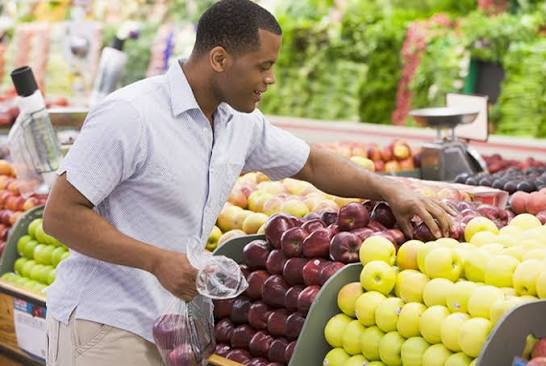
Most grocery shopping mistakes happen in the produce section. Not because people are not paying attention, but because produce does not come with labels that say ready now or wait two more days. You are expected to know, and if you do not, you either eat something before it peaks or throw it out after it has already passed.
Produce is the hardest grocery category to shop well because every item is a judgment call made in real time, under store lighting, with no second chance once you get home. A bag of rice is a bag of rice. An avocado at the grocery in Tampa, FL is anywhere between four days from ready and already gone depending on which one you pick up.
This guide teaches you how to read produce the way experienced shoppers do. That means knowing what to look at, what to touch, what to smell, and how to plan your selections around when you actually plan to cook. It also covers the produce categories most relevant to Tampa’s diverse food community, including tropical fruits and root vegetables that do not always come with mainstream guidance attached to them.
Why Produce Is the Hardest Grocery Category to Shop Well
Every other category in the grocery store has fixed characteristics at the time of purchase. Canned goods are either intact or damaged. Packaged meat has a use-by date. Frozen food is either frozen or it is not. Produce exists on a spectrum that is actively moving while it sits on the shelf, and it continues moving after you bring it home.
That moving spectrum is what makes produce shopping skills genuinely difficult to develop without guidance. The same mango that would have been perfect yesterday is mealy and dull today. The plantain that looks wrong to someone unfamiliar with it is actually exactly right for the dish it is intended for. The papaya that smells like nothing at the stem is not ripe yet, and the one that smells faintly floral is ready tonight.
Learning to read produce correctly changes what ends up in your kitchen. It reduces waste, improves the quality of what you cook, and makes every trip to the produce section at any grocery in Tampa, FL more intentional and more successful.
The Four Sensory Checks That Work Across Most Produce
Before getting into specific items, it helps to understand the four universal sensory checks that apply across the majority of fruits and vegetables. These are not rules that work on everything, but they are a reliable framework that covers most of what you will encounter in a produce section.
Color Saturation
Ripe, healthy produce typically has deeper, more saturated color than underripe produce. This does not mean the darkest item on the shelf is always the best one, but flat, washed-out, or unevenly colored produce is usually a sign that something is off. Color also tells you where something is in its ripeness window. A mostly yellow mango with patches of green is still working toward ripe. A fully golden mango is there. A mango with brown spotting is on its way out.
Color saturation is the first thing to assess in fresh produce inspection before you touch anything.
Firmness With Give
Completely firm produce is usually underripe. Completely soft produce is usually overripe or damaged. What you are looking for in most fruits is firmness that yields slightly under gentle pressure without feeling mushy or collapsing. Vegetables lean toward firm across the board, with softness being a sign of age or damage rather than ripeness.
The key word in this check is gentle. Squeezing produce hard enough to bruise it damages what you are not buying and harms the quality of what someone else eventually purchases. A light thumb press is enough to feel what you need to feel.
Weight Relative to Size
Heavier produce relative to its size usually means higher water content, which in fruits translates to juiciness and freshness. Pick up two melons of the same visual size and the heavier one is almost always the better choice. The same principle applies to citrus, pineapple, and most other fruits where juice content is part of what you are buying.
Light produce relative to its size is often a sign that moisture has already left the fruit, which means it is either drying out or past its prime.
Smell at the Stem or Blossom End
The ends of fruits, particularly the stem end or the spot where the flower was attached, are where aroma concentrates first as a fruit ripens. A ripe pineapple smells sweet at its base. A ripe cantaloupe smells floral at its blossom end. An avocado that has gone too far smells slightly fermented near the stem.
Smell is one of the most reliable ripeness signals in the produce section, and it is one of the most underused. Getting into the habit of smelling fruit at the stem or blossom end before buying it will immediately improve your selection accuracy.
Avocado Ripeness Stages and How to Plan Around Them
Avocados are one of the most commonly misjudged items in any produce section, and they matter enough in Tampa kitchens to deserve a full breakdown.
The ripeness stages of a Hass avocado by color and feel:
- Bright green and completely firm: At least three to five days from ready. Buy these if you are planning ahead for later in the week.
- Dark green with slight give: One to two days from peak. A good choice if you are shopping today for Wednesday or Thursday.
- Nearly black with gentle give: Ready now or within twenty-four hours. This is what to buy if you are making guacamole tonight.
- Black and very soft: Overripe for slicing, but still usable in smoothies or baked goods. Avoid if you want fresh avocado on a dish.
- Black with soft spots or caving in: Past usable. Leave it.
A reliable ripe avocado guide always includes the stem check: pull the small stem nub at the top gently. If it comes away easily and the flesh underneath is green, the avocado is ripe. If the flesh underneath is brown, it is overripe inside even if the skin looks acceptable. If the stem does not come away at all, the avocado needs more time.
Planning tip: Buy avocados at two different stages in the same shopping trip. Pick one that is nearly black for use in the next day or two and one that is dark green for use later in the week. That way you are not racing against a single ripeness window with everything you bought.
Mango Varieties and Selection by Skin Tone and Feel
Tampa grocery stores often carry multiple mango varieties, and the most important thing to understand is that skin color is not a reliable ripeness indicator across all of them. This confuses a lot of shoppers who apply the same rule to every variety.
Common varieties and how to read them:
- Tommy Atkins: The most common mango in American grocery stores, with red and green skin. This variety does not turn reliably golden when ripe. For Tommy Atkins, rely on feel and smell rather than color. Ripe Tommy Atkins yields gently to pressure and smells faintly sweet at the stem.
- Ataulfo (Champagne mango): Small, kidney-shaped, and yellow-gold when ripe. This variety does use color as a reliable indicator. Ripe Ataulfo mangos also develop slight wrinkle-like skin textures near the top as they peak. Deeply golden with a little give is perfect.
- Keitt: Large, stays green even when fully ripe. This is one where smell and feel matter entirely. A ripe Keitt smells distinctly fruity at the stem end and gives slightly under thumb pressure.
- Kent: Deep green to yellow with a red blush. Ripe Kents feel full and slightly soft near the stem, and the aroma at the stem end is strong and sweet.
When picking ripe mango at a Tampa grocery store, the safest approach is gentle pressure plus stem smell, regardless of variety. A ripe mango of any type will feel like it has juice behind the skin and will smell like something worth eating.
Plantain Stages From Green to Black and What Each Is Used For
Plantains are essential in many Tampa households, and they are one of the produce items where what looks wrong to an inexperienced shopper is often exactly right for a specific dish. Choosing the right stage depends entirely on how you plan to cook them.
Green plantains: Starchy, firm, and not sweet at all. Used for tostones, which are twice-fried plantain rounds, and for soups and stews where you want the plantain to hold its shape and provide body rather than sweetness. Green plantains are difficult to peel and need to be cooked rather than eaten raw.
Yellow plantains with black streaks: Beginning to sweeten but still firm enough to slice cleanly. Used for maduros, the sweet fried plantains served as a side dish in Cuban and Caribbean cooking. The black streaks are not damaged, they are flavor. The more black on the skin, the sweeter the plantain inside.
Mostly black or fully black plantains: Very sweet, soft, and highly aromatic. Used for the sweetest maduros, for plantain bread, and for baking applications. A fully black plantain that still feels structurally intact inside is at peak sweetness. A fully black plantain that has become mushy all the way through is past its best use.
When buying plantains at a grocery store in Tampa, FL, buy green if you plan to cook them within the week as tostones or in savory dishes, and buy yellowing or partially black ones if you want maduros in the next two to three days.
Pineapple Ripeness Signals
Pineapple ripeness is one of the easiest to read once you know what to look for, and the bottom of the fruit is where most of the information lives.
What to check on a pineapple:
- Smell at the base: A ripe pineapple smells distinctly sweet and tropical at the bottom. No smell means it needs more time. A fermented or alcoholic smell means it has gone too far.
- Color: Look for golden yellow color extending from the base upward. An all-green pineapple needs time. A pineapple with golden color at least halfway up the body is ready or very close.
- Weight: A heavy pineapple relative to its size has more juice and is further along in ripeness.
- Crown leaves: The old advice about pulling a leaf from the crown is unreliable. Focus on smell, color, and weight instead.
Pineapples do not continue ripening significantly after they are cut from the plant, so a green pineapple bought today will not be noticeably sweeter in a few days at home. Buy it ready.
Papaya Selection
Papayas are available in multiple sizes at many Tampa grocery stores, and the selection principles are consistent across varieties.
What to look for:
- Skin color: Ripe papaya transitions from green to yellow-orange. A papaya that is at least half yellow is close to ready. A fully golden-yellow papaya is ready to eat.
- Feel: Ripe papaya gives under gentle pressure, similar to a ripe avocado. A completely firm papaya needs more time. Papaya that collapses under light pressure is overripe.
- Smell: A ripe papaya smells faintly musky-sweet at the blossom end. No scent means it is not ready.
Papaya ripens well at room temperature. Buy it when it is half-yellow if you want it in two to three days, or buy it fully golden if you want it tonight.
Malanga and Yuca Selection
Malanga and yuca are staple root vegetables in many Tampa households, and they do not come with as much mainstream guidance as most produce items. The selection principles are straightforward once you know what matters.
For malanga:
- The skin should look dry and intact, not wet, moldy, or cracked.
- Malanga should feel firm throughout with no soft spots. Any soft area indicates rot that may extend further into the root.
- Lighter-colored flesh when you see a cut surface indicates fresher malanga. Gray or darkening flesh means it has been cut and sitting too long.
For yuca:
- The waxy coating on commercial yuca is applied to extend shelf life and is normal.
- Look for yuca that feels completely firm throughout. Soft spots anywhere on the root indicate internal breakdown.
- Avoid yuca with visible cracks, excessive dryness at the cut ends, or any sign of mold at the tips.
- When cut, fresh yuca flesh should be white and firm. Gray or streaky flesh means it is past its best quality.
Both malanga and yuca store well in a cool, dry place and do not need refrigeration before cutting.
Tomato Firmness and What It Tells You
Tomatoes are one of the most commonly overbought and underused produce items because shoppers buy them at the wrong stage for how quickly they will actually be used.
Tomato ripeness by feel:
- Very firm with no give: Underripe. Will need several days at room temperature before peak flavor.
- Firm with very slight give: Close to ripe, will peak within one to two days at room temperature.
- Gives gently under light pressure: Ready now. Use within one to two days for best flavor.
- Noticeably soft or wrinkled: Past peak for fresh eating, still fine for cooking into sauce.
Tomatoes should never be refrigerated before cutting. Cold temperatures break down the cell structure and flatten the flavor significantly. Store them stem-side down at room temperature and use them within their ripeness window.
For choosing fresh vegetables in Tampa, FL, tomatoes are one of the items where buying slightly underripe and letting them finish at home gives you more control over your eating window than buying them at peak in the store.
Melons by Sound and Weight
Melons are one of the produce categories where feel and sound both carry real information, and weight is the most reliable single indicator across all varieties.
For watermelon:
- Knock on the surface. A ripe watermelon produces a deep, hollow thud. An underripe watermelon sounds higher-pitched and more solid. An overripe watermelon sounds dull and flat.
- Look for a yellow or cream-colored field spot on the bottom, which is where the melon rested on the ground as it ripened. A white or green field spot means it was picked too early.
- Heavier is better. A heavy watermelon for its size has more water content and is further along in sweetness.
For cantaloupe:
- Smell at the blossom end. A ripe cantaloupe has a strong, floral, sweet smell. No smell means it is not ready.
- The netting on the surface should be raised and pronounced. Smooth skin under the netting indicates underripeness.
- Give under gentle pressure at the blossom end confirms it is ready.
For honeydew:
- Skin should be slightly waxy or sticky to the touch rather than dry and matte.
- Smell at the blossom end. Ripe honeydew has a faint, sweet, floral scent.
- Weight matters more for honeydew than for any other melon. The heaviest one in the group is almost always the best choice.
Leafy Greens and Fresh Herbs
Leafy greens and herbs are the produce items with the shortest usable window and the easiest signs to read.
For leafy greens:
- Look for leaves that are bright in color with no yellowing, browning, or translucent wet spots.
- The stems or cut ends should look fresh, not dried out, slimy, or darkened.
- Avoid bunches where the bottom leaves are already wilting or collapsing even if the top looks fine.
- Wet spots on bagged greens are a sign that breakdown has already started. Choose bags where the leaves look dry and separated.
For fresh herbs:
- Stems should be firm and the leaves should be perky, not drooping.
- Color should be vivid. Dull or yellowing herb leaves signal age.
- Smell the bunch through the bag or directly. Fresh herbs should smell immediately and distinctly of what they are. Faint or absent aroma means they have lost most of their essential oils.
In Tampa’s humidity, herbs stored loosely in the refrigerator tend to go limp faster than in drier climates. The best storage method is treating them like cut flowers: trim the stems, place them in a glass with a small amount of water, and cover loosely with a produce bag before refrigerating.
How to Plan Produce Shopping Based on When You Will Cook Each Item
One of the most practical produce shopping skills is buying with your cooking schedule in mind rather than buying everything at peak ripeness at once.
A simple framework for planning produce based on cook date:
Tonight or tomorrow: Buy at peak ripeness. Ripe avocados, fully golden papayas, tomatoes with good give, herbs that smell strong, greens that look vibrant.
Two to three days out: Buy one stage before peak. Avocados that are very dark but still firm. Mangos with a little green left. Plantains that are yellow with developing black streaks.
Later in the week: Buy underripe. Green-shouldered tomatoes, firm avocados, green-yellow bananas, green plantains if you are making tostones.
This approach means nothing arrives home at the same ripeness stage and nothing expires before you get to it. It is the difference between produce shopping that works all week and produce shopping where half of what you bought goes bad before you use it.
How to Store Produce in Tampa’s Humidity to Extend Shelf Life
Tampa’s heat and humidity create a storage environment that accelerates ripening and encourages mold faster than drier climates. A few adjustments make a real difference.
Do not refrigerate: Tomatoes, avocados that are not yet ripe, bananas, plantains, mangos in progress, potatoes, onions, garlic, yuca, and malanga. Cold temperatures harm the texture and flavor of these items before they are ready.
Do refrigerate once ripe: Avocados that have peaked, cut fruit of any kind, ripe mangos you are not eating today, papaya once it is soft.
Humidity management in the fridge: Leafy greens and herbs do better in the high-humidity drawer. Items like apples, grapes, and citrus do better in the low-humidity drawer.
Counter storage in Tampa: Keep bananas, tomatoes, and stone fruit away from direct sunlight and away from appliances that emit heat. A spot on the counter that gets indirect light and stays cooler is significantly better than a spot near the stove or in front of a window in full sun.
Separate ethylene producers: Apples, bananas, avocados, and mangos emit ethylene gas as they ripen, which accelerates ripening in everything nearby. Storing them near other produce you want to keep longer speeds up deterioration. Keep ethylene-producing fruit in its own area or in a separate bowl.
Printable Produce Inspection Checklist
Use this checklist at any grocery in Tampa, FL to evaluate produce before it goes in your cart.
Universal Checks (apply to most produce)
- Color is deep, saturated, and even without pale patches or uneven fading
- Firmness matches intended use: slight give for ripe fruit, firm throughout for vegetables
- Weight feels heavy relative to the item’s size
- Smell at stem or blossom end is present and pleasant, not absent or fermented
- No soft spots, wet patches, visible mold, or broken skin
Avocado
- Skin is dark green to black depending on intended use date
- Gives gently under light thumb pressure without collapsing
- Stem nub pulls away cleanly with green flesh visible underneath
Mango
- Tommy Atkins: rely on feel and stem smell, not color
- Ataulfo: golden yellow skin with slight texture wrinkling near top
- All varieties: faint to strong sweet smell at the stem end, gentle give under pressure
Plantain
- Green: fully firm, for tostones and savory cooking
- Yellow with black streaks: softening, for maduros in one to two days
- Mostly to fully black: sweet and soft, for immediate use in maduros or baking
Pineapple
- Strong sweet tropical smell at the base
- Golden color extending at least halfway up the body
- Feels heavy for its size
Papaya
- At least half yellow skin for two-to-three-day ripening, fully golden for tonight
- Gives gently under light pressure
- Faint musky-sweet smell at blossom end
Malanga and Yuca
- Skin dry and intact with no soft spots, cracks, or mold
- Feels completely firm throughout
- Flesh white and firm if a cut surface is visible
Tomato
- Color deep and saturated, no pale shoulders unless variety-specific
- Firmness matched to intended cook date: firm for later in the week, slight give for tonight
- No cracks, splits, or wet spots on the skin
Melon
- Watermelon: deep hollow thud when knocked, yellow field spot on the bottom, heavy for size
- Cantaloupe: strong floral smell at blossom end, raised netting, slight give at blossom end
- Honeydew: waxy skin texture, faint sweet smell, heaviest of the options available
Leafy Greens and Herbs
- Leaves bright in color with no yellowing, browning, or translucent wet spots
- Stems firm and fresh-looking at the cut end
- Herbs smell immediately and distinctly of themselves when sniffed
Key Food Tampa Carries the Produce Tampa Shoppers Actually Cook With
If you are looking for a grocery in Tampa, FL with a produce section that reflects the full range of what Tampa families cook, Key Food Tampa is worth visiting.
Key Food Tampa carries the fresh fruits, tropical produce, root vegetables, and everyday greens that matter to this community, not just the standard national selection. Whether you are shopping for plantains at exactly the right stage, looking for ripe avocados you can actually trust, or picking up fresh herbs and leafy greens for the week ahead, the produce section is stocked with the items Tampa shoppers actually reach for.
Come in and put these produce shopping skills to use. When you know what to look for and the store gives you good options to choose from, every trip to the produce section becomes a better one.
Frequently Asked Questions
How do I pick ripe produce without damaging it in the store? Use gentle pressure, never a hard squeeze. A light thumb press gives you the firmness information you need without bruising the fruit. For items where smell is the key indicator, lift the item close and smell at the stem or blossom end rather than pressing at all.
What is the most reliable sign of a ripe avocado at a grocery in Tampa, FL? The stem check is the most reliable single method. Pull the small nub at the stem end gently. If it releases easily and the flesh underneath is green, the avocado is ripe. If the flesh is brown, it is overripe inside. If the stem does not release, the avocado needs more time.
How do I choose a ripe mango when different varieties look different? Rely on feel and smell rather than color, unless you are buying Ataulfo, where golden skin is a reliable indicator. For all other varieties, a ripe mango gives gently under pressure and smells sweet and fruity at the stem end regardless of what the skin color looks like.
What stage of plantain should I buy for different dishes? Green for tostones and savory cooking, yellow with black streaks for maduros in the next day or two, and mostly to fully black for the sweetest maduros or baking applications. The black coloring is not spoilage, it is ripeness.
How do I keep produce fresh longer in Tampa’s humid climate? Store ethylene-producing fruits separately from other produce. Keep items that should not be refrigerated at room temperature away from heat and direct sun. Use the high-humidity drawer for leafy greens and herbs. Once fruits like avocados and mangos reach peak ripeness, move them to the refrigerator to slow further softening.
Why does my produce go bad faster than expected even when it looks good in the store? Tampa’s heat and humidity accelerate the ripening and breakdown process significantly. Items that would last four days in a cooler, drier climate may last two days here. Shopping with your cook schedule in mind and buying produce at different ripeness stages for different days of the week is the most effective way to reduce waste.
What should I look for when choosing fresh vegetables in Tampa, FL? Firm texture without softness, vibrant and saturated color, no wet spots or broken skin, and stems or cut ends that look fresh rather than dried or darkened. For leafy greens specifically, look for dry, perky leaves with no translucent patches, which are an early sign of breakdown.